
Household AC Care: Residential AC Maintenance - What to Expect
- nick78085
- Mar 30
- 4 min read
When it comes to keeping your home comfortable, your air conditioning system plays a crucial role. Proper household AC care ensures your system runs efficiently, saves energy, and extends its lifespan. Understanding what to expect during residential AC maintenance can help you prepare and make informed decisions. In this post, I will walk you through the key aspects of maintaining your AC system, what professionals typically do during a service visit, and how often you should schedule maintenance.
The Importance of Household AC Care
Regular household AC care is essential for several reasons. First, it helps maintain indoor air quality by keeping filters clean and components free of dust and debris. Second, it prevents unexpected breakdowns during the hottest months, which can be costly and uncomfortable. Third, routine maintenance improves energy efficiency, lowering your utility bills. Finally, it extends the life of your AC unit, protecting your investment.
During a maintenance visit, a technician will inspect and clean various parts of your system. This includes checking refrigerant levels, cleaning coils, inspecting electrical connections, and testing the thermostat. These steps ensure your AC operates at peak performance.

What Happens During a Residential AC Maintenance Visit?
When you schedule a maintenance appointment, the technician will perform a thorough inspection and tune-up of your system. Here’s what you can expect:
Visual Inspection
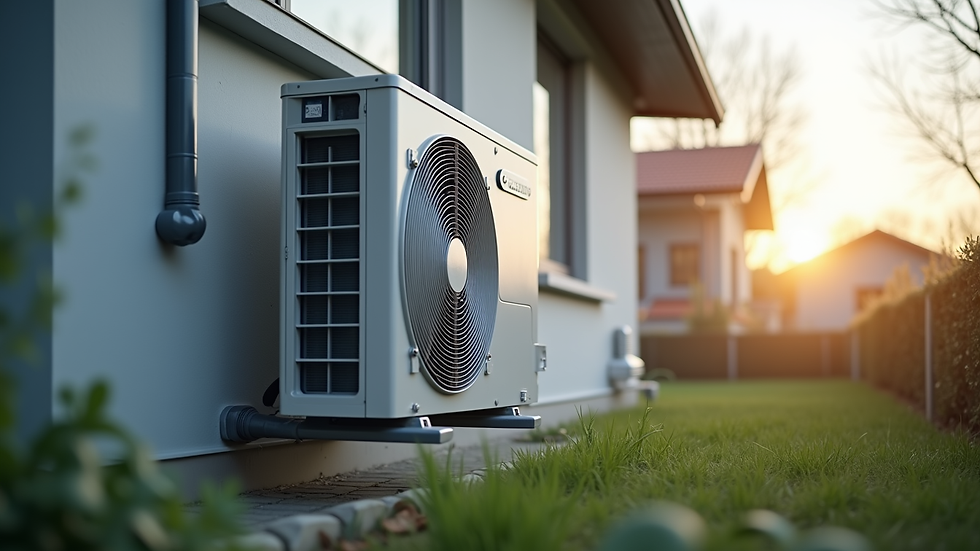
The technician will start by examining the outdoor condenser unit and indoor air handler. They look for signs of wear, damage, or corrosion.
Filter Check and Replacement
Dirty filters reduce airflow and efficiency. The technician will check your air filters and replace them if necessary. You can also replace filters yourself every 1-3 months.
Cleaning Coils
Both the evaporator and condenser coils collect dirt over time. Cleaning these coils improves heat exchange and system efficiency.
Checking Refrigerant Levels
Low refrigerant can cause your AC to work harder and cool less effectively. The technician will measure refrigerant levels and recharge if needed.
Inspecting Electrical Components
Loose or damaged wiring can cause system failures. The technician will check electrical connections, capacitors, and contactors.
Testing Thermostat and Controls
Proper thermostat function is critical for comfort and efficiency. The technician will test and calibrate your thermostat.
Lubricating Moving Parts
Motors and fans need lubrication to reduce friction and wear. This step helps prevent mechanical failures.
Checking Drain Lines
Clogged drain lines can cause water damage and mold growth. The technician will clear any blockages.
By following these steps, the technician ensures your AC system is clean, safe, and ready for the cooling season.
How Often Should a Residential HVAC System Be Serviced?
Scheduling regular maintenance is key to keeping your system in good shape. Most experts recommend servicing your residential HVAC system at least once a year. For air conditioners, the best time is in the spring before the cooling season begins. This timing allows the technician to identify and fix any issues before you rely on the system heavily.
If you live in a hot climate or use your AC extensively, consider scheduling maintenance twice a year. This extra care can prevent breakdowns and maintain efficiency. Additionally, if you notice unusual noises, reduced cooling, or higher energy bills, it’s wise to call for a checkup regardless of your last service date.
DIY Tips for Household AC Care Between Professional Visits
While professional maintenance is essential, there are simple steps you can take to care for your AC system between visits:
Change or Clean Filters Regularly
Replace disposable filters every 1-3 months. If you have reusable filters, clean them according to the manufacturer’s instructions.
Keep Outdoor Unit Clear
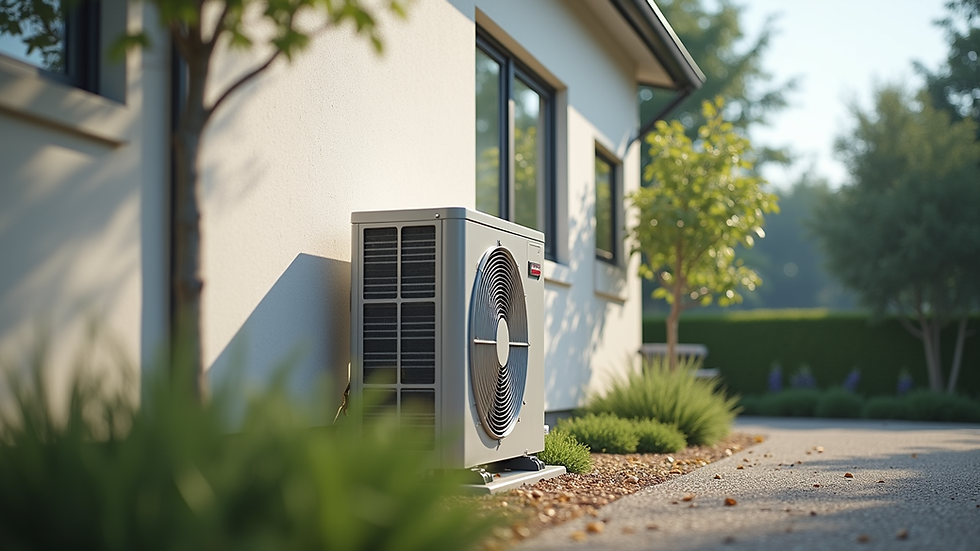
Remove leaves, dirt, and debris from around the condenser unit. Trim plants and bushes to maintain at least two feet of clearance.
Check Thermostat Settings
Use programmable thermostats to optimize cooling schedules and reduce energy use.
Inspect Drain Lines
Look for water pooling near the indoor unit. If you see water, the drain line may be clogged and need cleaning.
Listen for Unusual Sounds
Strange noises can indicate mechanical problems. If you hear anything unusual, schedule a professional inspection.
These simple actions help maintain system efficiency and prevent minor issues from becoming major repairs.

Signs It’s Time to Call a Professional
Even with regular care, your AC system may develop problems that require expert attention. Watch for these signs:
Reduced Cooling Performance
If your home is not cooling as well as before, it could indicate low refrigerant or a failing component.
Increased Energy Bills
A sudden spike in your utility bills may mean your AC is working harder due to inefficiency.
Frequent Cycling
If your AC turns on and off frequently, it may be short cycling, which stresses the system.
Unusual Noises or Odors
Grinding, squealing, or burning smells are warning signs of mechanical or electrical issues.
Water Leaks
Water pooling around the indoor unit or outside can indicate a clogged drain or refrigerant leak.
If you notice any of these issues, don’t wait. Contact a professional to diagnose and fix the problem promptly.
Planning for Reliable Cooling Year-Round
Proper household AC care is not just about fixing problems but preventing them. By scheduling regular maintenance and following simple care tips, you can enjoy reliable cooling throughout the year. Remember, residential ac maintenance is an investment in your home’s comfort and your peace of mind.
If you want to keep your system running smoothly and avoid costly repairs, make maintenance a priority. A well-maintained AC system uses less energy, lasts longer, and keeps your home comfortable no matter how hot it gets outside.
By understanding what to expect during maintenance and how to care for your system, you can take control of your home’s cooling needs with confidence.

Comments