
Expert Guide to Troubleshooting HVAC Problems and AC Repair
When your heating, ventilation, and air conditioning (HVAC) system stops working properly, it can disrupt your comfort and daily routine. Knowing how to troubleshoot HVAC problems can save you time and money. In this guide, I will walk you through common issues, practical solutions, and when to call a professional. Whether you manage a home or a business, understanding the basics of HVAC repair is essential.
Troubleshooting HVAC Problems: What You Need to Know
HVAC systems are complex, but many common problems have straightforward causes. The first step in troubleshooting HVAC problems is identifying the symptoms. For example, if your air conditioner is not cooling, the issue could be a dirty filter, low refrigerant, or a malfunctioning thermostat.
Here are some common HVAC problems and how to approach them:
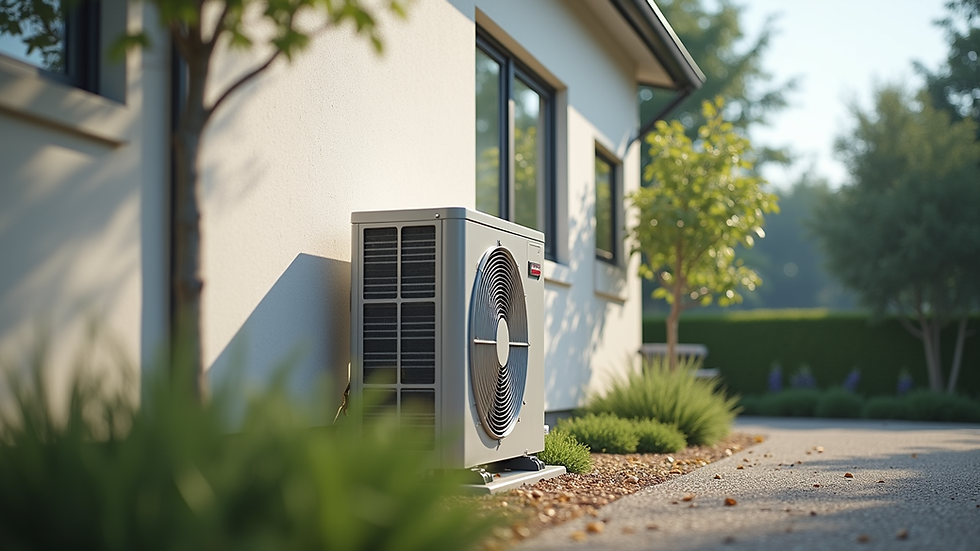
No cooling or heating: Check the thermostat settings and replace batteries if needed. Inspect the air filter and replace it if dirty. Ensure the outdoor unit is free of debris.
Strange noises: Rattling or banging sounds may indicate loose parts or debris in the system. Squealing often points to a worn belt.
Poor airflow: This can be caused by clogged filters, blocked vents, or issues with the blower motor.
Frequent cycling: If your system turns on and off too often, it might be due to an oversized unit, thermostat issues, or airflow problems.
Regular maintenance can prevent many of these issues. Clean or replace filters every 1-3 months, keep the outdoor unit clear, and schedule professional inspections annually.
How much do HVAC technicians charge per hour?
Understanding the cost of HVAC repair is important when deciding whether to attempt a fix yourself or hire a professional. HVAC technicians typically charge between $75 and $150 per hour, depending on the complexity of the job and your location. In Brevard County, Florida, rates may vary slightly but generally fall within this range.
Additional costs may include:
Service call fees: Some companies charge a flat fee just to come to your property.
Parts and materials: Replacement parts like filters, belts, or capacitors add to the total cost.
Emergency or after-hours service: Expect higher rates for urgent repairs outside normal business hours.
When you consider the potential risks of improper repair, hiring a licensed technician often saves money in the long run. They have the tools and expertise to diagnose and fix problems efficiently.
Essential Tools and Safety Tips for DIY HVAC Repair
If you decide to handle minor HVAC repairs yourself, having the right tools and following safety precautions is critical. Here are some essentials:
Screwdrivers and wrenches: For opening panels and tightening connections.
Multimeter: To test electrical components safely.
Vacuum or brush: For cleaning dust and debris.
Replacement filters and belts: Common parts that wear out.
Safety tips to keep in mind:
Always turn off power to the unit before working on it.
Avoid touching electrical components unless you are confident in your skills.
Use a ladder safely when accessing outdoor units.
Wear protective gloves and eyewear.
Simple tasks like changing filters or clearing debris can improve system performance without professional help. However, avoid handling refrigerants or complex electrical repairs on your own.

When to Call a Professional for HVAC Repair
Some HVAC problems require expert attention. If you notice any of the following, it is time to contact a professional:
Refrigerant leaks or low refrigerant levels.
Electrical issues such as frequent circuit breaker trips.
Compressor or motor failures.
Persistent strange noises or odors.
System not responding to thermostat adjustments.
Professional technicians have the training and equipment to diagnose and repair these issues safely. They can also perform routine maintenance to extend the life of your system.
For reliable service, look for licensed and insured HVAC companies with good reviews. Scheduling regular inspections can catch problems early and keep your system running efficiently.
If you need expert help, consider ac hvac repair services that specialize in fast, dependable solutions.
Tips for Maintaining Your HVAC System Year-Round
Proper maintenance is the best way to avoid costly repairs and keep your HVAC system running smoothly. Here are some practical tips:
Change filters regularly: Replace filters every 1-3 months depending on usage.
Keep outdoor units clean: Remove leaves, dirt, and debris from around the condenser.
Inspect ductwork: Check for leaks or blockages that reduce airflow.
Schedule professional tune-ups: Have a technician inspect and service your system annually.
Monitor thermostat settings: Use programmable thermostats to optimize energy use.
By following these steps, you can improve efficiency, reduce energy bills, and extend the lifespan of your HVAC system.
Preparing Your HVAC System for Seasonal Changes
Seasonal changes require adjustments to your HVAC system to maintain comfort and efficiency. Here’s what to do:
Before summer: Test your air conditioner, clean coils, and check refrigerant levels.
Before winter: Inspect your heating system, replace filters, and test the thermostat.
During shoulder seasons: Use fans and natural ventilation to reduce HVAC use.
Regular seasonal preparation helps prevent breakdowns during extreme weather and keeps your system ready for demand.
Final Thoughts on HVAC Troubleshooting and Repair
Understanding how to troubleshoot HVAC problems empowers you to maintain comfort and avoid unexpected breakdowns. While some repairs are simple and safe to handle yourself, others require professional expertise. Knowing when to call a licensed technician ensures your system is repaired correctly and efficiently.
Regular maintenance and timely repairs are key to extending the life of your HVAC system. By following the advice in this guide, you can keep your heating and cooling system running smoothly year-round.
For trusted and expert service in Brevard County, consider professional ac hvac repair to keep your system in top condition.


Comments