
Effective Solutions for Fixing Commercial Air Conditioners
- nick78085
- Apr 13
- 4 min read
When it comes to maintaining a comfortable and productive environment, fixing commercial air conditioners is essential. Commercial AC systems are complex and require timely attention to avoid costly downtime and discomfort. I have seen many cases where early intervention saved businesses significant expenses and kept operations running smoothly. In this post, I will share practical solutions and insights to help you understand how to handle commercial AC issues effectively.
Understanding the Basics of Fixing Commercial Air Conditioners
Commercial air conditioning systems differ from residential units in size, complexity, and usage. These systems often serve large spaces and operate for extended hours, which means they face more wear and tear. Fixing commercial air conditioners requires a clear understanding of their components, such as compressors, condensers, evaporator coils, and thermostats.
Regular maintenance is the first step in preventing major breakdowns. This includes cleaning filters, checking refrigerant levels, and inspecting electrical connections. When a problem arises, identifying the root cause quickly is crucial. Common issues include refrigerant leaks, clogged filters, faulty thermostats, and compressor failures.
For example, a clogged air filter can reduce airflow, causing the system to work harder and eventually fail. Replacing filters every 1-3 months depending on usage can prevent this. Similarly, low refrigerant levels can cause the system to freeze up or fail to cool properly. A professional technician can detect leaks and recharge the system safely.

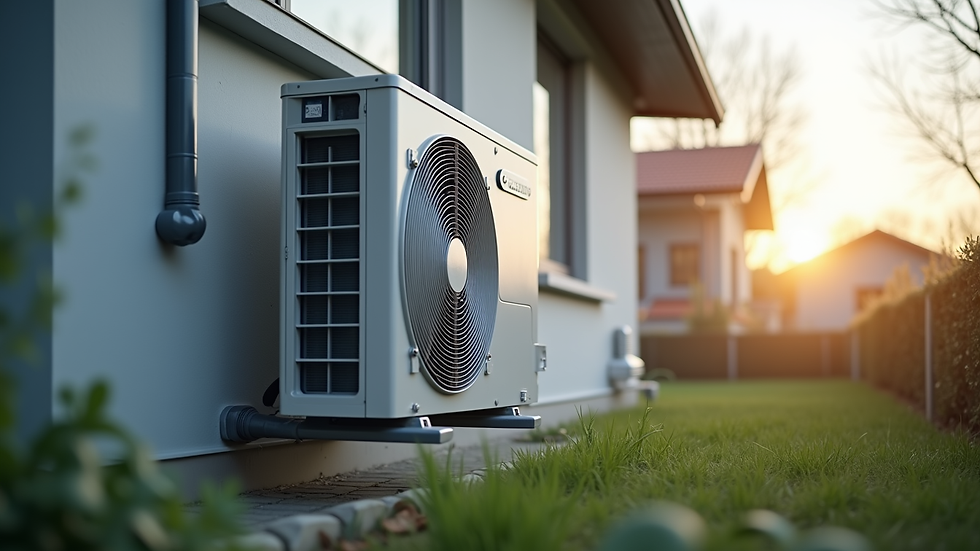
Close-up view of commercial air conditioning unit compressor
Key Steps in Fixing Commercial Air Conditioners
When fixing commercial air conditioners, following a systematic approach ensures effective repairs and long-term reliability. Here are the key steps I recommend:
Diagnose the Problem
Use diagnostic tools to check system pressure, temperature, and electrical components. This helps pinpoint the exact issue.
Turn Off Power
Always switch off the power supply before starting any repair to ensure safety.
Inspect and Clean Components
Clean coils, filters, and fans. Dirt buildup can reduce efficiency and cause overheating.
Repair or Replace Faulty Parts
Replace worn-out parts like capacitors, motors, or thermostats. Sometimes, repairing a refrigerant leak is necessary.
Test the System
After repairs, test the system under normal operating conditions to confirm the issue is resolved.
Schedule Regular Maintenance
Prevent future problems by setting up a maintenance schedule.
These steps are straightforward but require technical knowledge and experience. If you are not confident, it is best to call a professional.
What is the $5000 AC rule?
The $5000 AC rule is a practical guideline used by many HVAC professionals to decide whether to repair or replace a commercial air conditioning system. The rule states that if the cost of repairing the AC unit exceeds $5000, it is often more cost-effective to replace the system entirely.
This rule takes into account the age of the unit, the extent of the damage, and the expected lifespan of the system after repair. For example, if a 15-year-old commercial AC unit needs a compressor replacement costing $6000, replacing the entire system might be a better investment. Newer systems are more energy-efficient and come with warranties, which can save money in the long run.
However, if the repair cost is below $5000 and the system is relatively new, fixing the unit is usually the best option. This rule helps businesses make informed decisions without overspending on repairs that offer limited value.
Preventive Measures to Avoid Frequent Repairs
Preventing problems is always better than fixing them. Here are some preventive measures that can reduce the need for commercial AC repair:
Regular Inspections
Schedule inspections at least twice a year to catch issues early.
Clean Filters and Coils
Dirty filters and coils reduce efficiency and cause strain on the system.
Monitor Refrigerant Levels
Low refrigerant can damage the compressor and reduce cooling capacity.
Check Electrical Connections
Loose or corroded connections can cause system failures.
Use Programmable Thermostats
These help maintain consistent temperatures and reduce wear.
Maintain Proper Ventilation
Ensure that air vents and ducts are clean and unobstructed.
Implementing these measures can extend the life of your commercial AC system and reduce unexpected breakdowns.

Eye-level view of commercial HVAC technician inspecting air ducts
When to Call a Professional for Commercial AC Repair
While some minor maintenance tasks can be done by building staff, most commercial AC repairs require professional expertise. Here are signs that indicate it is time to call a professional:
The system is not cooling properly despite thermostat settings.
Strange noises or vibrations are coming from the unit.
There is a noticeable increase in energy bills.
Water leaks or excessive condensation around the unit.
The system frequently cycles on and off.
The unit is more than 10 years old and showing signs of wear.
Professional technicians have the tools and training to diagnose and fix complex issues safely. They can also advise on whether repair or replacement is the best option based on the system’s condition.
For reliable and efficient service, I recommend contacting experts who specialize in commercial HVAC systems. They can provide timely repairs and help maintain your system for optimal performance.
Maximizing Efficiency After Repairs
After fixing commercial air conditioners, it is important to maximize their efficiency to save energy and reduce costs. Here are some tips:
Seal Ducts and Insulate
Leaky ducts waste cooled air and increase energy use.
Upgrade to Energy-Efficient Components
Consider installing variable speed motors or high-efficiency compressors.
Use Smart Controls
Automated systems can adjust cooling based on occupancy and weather.
Maintain Proper Thermostat Settings
Avoid setting temperatures too low, which strains the system.
Schedule Seasonal Tune-Ups
Regular tune-ups keep the system running at peak efficiency.
By following these recommendations, you can ensure your commercial AC system runs smoothly and cost-effectively after repairs.
Fixing commercial air conditioners is a critical task that requires knowledge, experience, and timely action. Whether you are dealing with minor issues or major repairs, understanding the process and preventive measures can save you time and money. Remember, when in doubt, seek professional help to ensure your system is repaired correctly and safely.
For those looking for trusted commercial ac repair services, working with experienced technicians ensures your system stays reliable and efficient throughout the year. Taking care of your commercial AC system today means fewer problems tomorrow.

Comments